
Simple Ways to Reduce Noise at Home for a Calmer Space
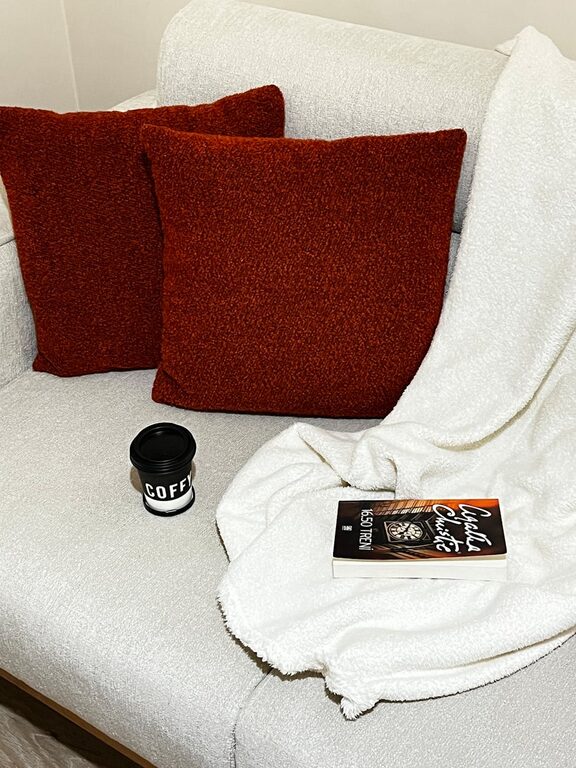
Creating a peaceful home environment is essential for rest, focus, and overall well-being. Noise from outside or inside the house can disrupt your daily activities and sleep. Fortunately, there are simple and practical ways you can reduce noise at home without major renovations or expensive equipment. This post will guide you through effective strategies to make your space quieter and more comfortable.
Understanding Noise Sources in Your Home
Before tackling noise, it helps to identify where it’s coming from. Common noise sources include:
– Traffic and street noise
– Neighbors or adjacent apartments
– Appliances and electronics
– Household members or pets
– HVAC systems or plumbing
Knowing the source allows you to focus your efforts where they’re most needed.
Easy Ways to Reduce Noise Inside Your Home
1. Use Soft Furnishings to Absorb Sound
Hard surfaces reflect sound, making rooms noisier. Adding soft furnishings can help absorb sound waves and reduce echo.
– Rugs and carpets on floors
– Curtains and drapes over windows
– Cushions and upholstered furniture
– Fabric wall hangings or tapestries
These materials break up sound reflections and lessen noise travel.
2. Place Bookshelves Against Shared Walls
If you share a wall with a noisy neighbor, adding a bookshelf filled with books can act as a sound buffer. The dense mass helps absorb and block sound.
3. Seal Gaps Around Doors and Windows
Noise often sneaks in through gaps and cracks. Installing weatherstripping around doors and windows or using draft stoppers at the bottom can significantly reduce noise infiltration.
4. Rearrange Your Furniture
Position sofas, beds, or desks away from noisy windows or walls. Additional distance can reduce the noise you experience.
5. Use White Noise Machines or Fans
White noise devices or simple fans create a consistent background sound that can mask sudden noises and make your environment feel quieter.
Simple Soundproofing Upgrades
If you want to take it a step further, consider these slightly more involved options:
1. Install Door Sweeps and Soundproof Curtains
Door sweeps block the gap beneath doors, limiting noise from hallways or other rooms. Thick soundproof curtains can reduce outdoor noise and add privacy.
2. Add Acoustic Panels or Foam
Acoustic panels mounted on walls absorb sound and reduce echo, making rooms quieter. These are especially useful in home offices or music studios.
3. Use Double-Glazed Windows
Replacing single-pane windows with double-glazed versions reduces outside noise significantly by adding an extra barrier.
4. Add Rugs with Padding
Soft rugs combined with underlay make floors quieter by absorbing footsteps and reducing echo.
Outdoor Noise Reduction Tips
Sometimes noise comes from outside your home. Here’s how you can reduce that:
– Plant shrubs or trees near walls or fences to create natural sound barriers.
– Use fences or walls made from dense materials like brick or wood.
– Position outdoor seating areas away from noisy streets.
Creating a Quieter Atmosphere with Daily Habits
– Encourage household members to keep noise levels low during quiet hours.
– Mute or lower electronic devices when not in use.
– Use soft-close mechanisms for doors and drawers to reduce slamming.
Final Thoughts
Reducing noise at home doesn’t have to be complicated. Starting with small changes like adding rugs, sealing gaps, or rearranging furniture can make a noticeable difference. For more persistent noise issues, consider soundproofing upgrades or landscaping for outdoor noise control. A quieter home contributes to better relaxation, concentration, and overall happiness.
By applying these simple tips, you can enjoy a calmer, more peaceful living space. Remember, consistency is key—experiment with what works best for your home and lifestyle.