
How to Plan Balanced Meals Without Stress: A Simple Guide
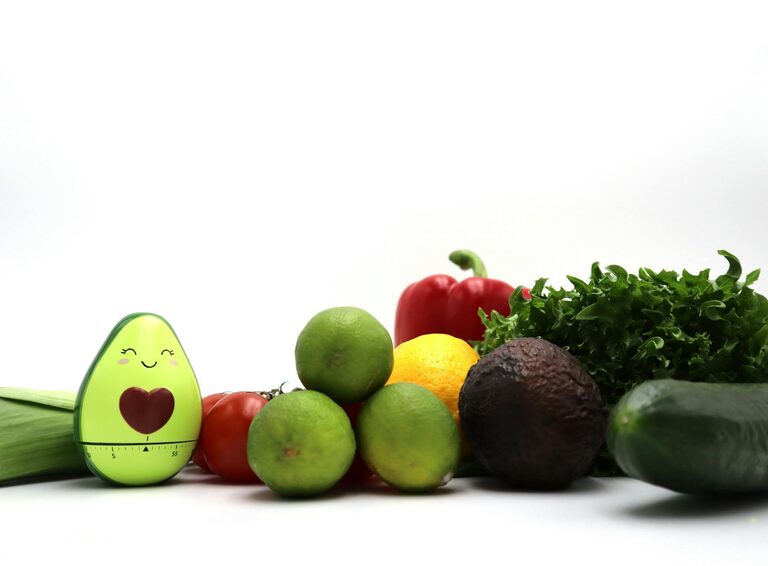
Planning balanced meals can sometimes feel overwhelming, especially with busy schedules and varying food preferences. However, with a few simple strategies, you can make meal planning an enjoyable and stress-free experience. This guide will help you understand the essentials of balanced meals and offer practical tips to plan nutritious dishes without the hassle.
What Is a Balanced Meal?
A balanced meal includes a variety of food groups to ensure your body gets the nutrients it needs. Typically, a balanced plate consists of:
– Proteins: Sources like lean meats, poultry, fish, beans, tofu, or eggs.
– Carbohydrates: Whole grains such as brown rice, quinoa, or whole wheat bread.
– Vegetables: A colorful mix to provide vitamins, minerals, and fiber.
– Fruits: For natural sweetness and additional nutrients.
– Healthy Fats: Such as avocados, nuts, seeds, or olive oil.
– Dairy or Alternatives: Like milk, yogurt, or fortified plant-based options.
Each meal doesn’t have to include all these components, but aiming to incorporate most of them throughout the day supports overall health.
Benefits of Balanced Meals
Eating balanced meals regularly helps in:
– Maintaining steady energy levels.
– Supporting brain function and mood.
– Enhancing digestion and gut health.
– Promoting a healthy weight.
– Strengthening the immune system.
Step 1: Start with a Simple Plan
You don’t need a complex meal plan to eat well. Begin by:
– Listing your favorite healthy ingredients.
– Planning for 1-2 meals per day plus snacks.
– Setting aside 10-15 minutes weekly to think about meals.
This will save time during the week and reduce last-minute stress.
Step 2: Embrace Meal Prep
Preparing ingredients in advance can transform your cooking routine:
– Chop vegetables and store them in containers.
– Cook grains like rice or quinoa in batches.
– Grill or bake proteins to use in various dishes.
– Prepare simple sauces or dressings ahead.
Having these ready makes assembling meals quicker, especially on busy days.
Step 3: Build Meals Around Vegetables
Vegetables are nutrient powerhouses and add volume to meals, helping you feel fuller.
– Aim to fill half your plate with vegetables.
– Choose a variety of colors for a range of nutrients.
– Steam, roast, or sauté veggies to keep them interesting.
Adding extra greens to sandwiches, soups, and pastas boosts nutrition without extra effort.
Step 4: Choose Whole Grains and Lean Proteins
Whole grains provide sustained energy and fiber.
– Swap white bread or pasta for whole wheat or alternative grains.
– Incorporate legumes like lentils and chickpeas as plant-based protein options.
– Include lean meats and fish several times a week.
Balancing protein and carbs helps regulate blood sugar and supports muscle health.
Step 5: Keep Healthy Fats in Your Diet
Healthy fats are essential for brain health and nutrient absorption.
– Use olive oil for cooking or dressings.
– Snack on nuts and seeds in moderation.
– Add slices of avocado to salads or toast.
These fats also enhance the flavor and satisfaction of meals.
Step 6: Use Simple, Flavorful Seasonings
Stress reduction comes from enjoying meals, so don’t skimp on flavor.
– Experiment with herbs like basil, cilantro, or parsley.
– Use spices such as cumin, paprika, or turmeric.
– Try garlic, lemon juice, or vinegar for brightness.
Good seasoning requires little time but makes meals far more appealing.
Practical Tips for Stress-Free Meal Planning
– Create a Weekly Menu: Draft a plan with different meals each day to avoid repetition.
– Shop with a List: Stick to your list to streamline grocery shopping and reduce impulse buys.
– Batch Cook: Prepare large batches of staples like soups or casseroles and freeze portions.
– Mix and Match Ingredients: Use the same ingredients in various meals to save time and money.
– Stay Flexible: Allow room for leftovers or unexpected cravings to make planning enjoyable.
Sample Balanced Meal Ideas
– Breakfast: Greek yogurt topped with fresh berries, a sprinkle of nuts, and a drizzle of honey.
– Lunch: Grilled chicken salad with mixed greens, cherry tomatoes, quinoa, and olive oil dressing.
– Dinner: Baked salmon with roasted sweet potatoes and steamed broccoli.
– Snack: Apple slices with almond butter or hummus with carrot sticks.
Conclusion
Planning balanced meals doesn’t need to be complicated or stressful. By focusing on simple ingredients, preparing ahead, and keeping meals flavorful, you’ll find that healthy eating becomes a natural and enjoyable part of your routine. Start small, be consistent, and remember that every balanced meal is a step toward better well-being. Happy eating!