
Tips for Choosing Comfortable Home Lighting That Suits Your Space
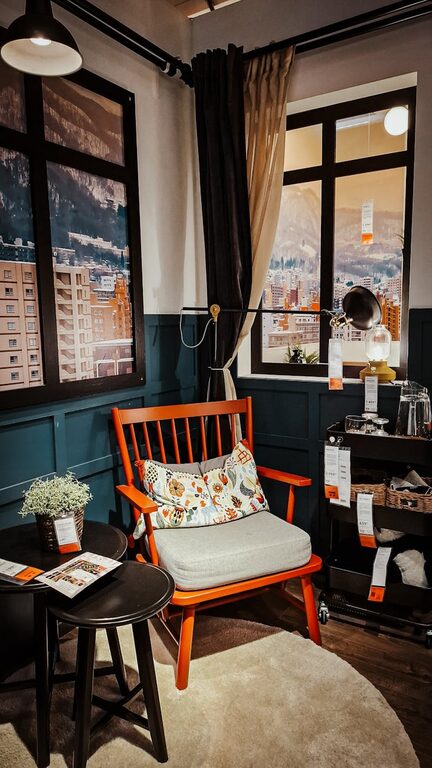
Creating a comfortable and inviting atmosphere at home often starts with good lighting. Whether you’re reading, cooking, relaxing, or working, the right lighting can make a big difference in how you feel and how your space functions. But choosing the right home lighting can be tricky with so many options available. This guide offers helpful tips to select comfortable lighting that suits your needs and style.
Why Comfortable Home Lighting Matters
Good lighting does more than illuminate a room—it influences mood, productivity, and overall comfort. Harsh or overly dim lighting can cause eye strain, headaches, and fatigue. On the other hand, well-planned lighting balances brightness and warmth, creating a space that feels cozy and welcoming.
Types of Lighting: Understanding Your Options
Before diving into tips, it helps to know the three main types of lighting used in homes:
1. Ambient Lighting
This is the general illumination in a room, providing overall brightness. Ceiling fixtures, chandeliers, or recessed lighting usually serve this purpose.
2. Task Lighting
Focused lighting designed for specific activities like reading, cooking, or writing. Desk lamps, under-cabinet lights, and pendant lamps are common task lights.
3. Accent Lighting
Used to highlight features, such as artwork, plants, or architectural details, accent lighting adds depth and style. Spotlights and wall sconces work well here.
Tips for Choosing Comfortable Home Lighting
1. Consider the Room’s Purpose
Different rooms need different lighting approaches:
– Living Rooms: Use a mix of ambient and accent lighting to create a relaxing environment.
– Kitchens: Bright task lighting is essential for cooking and food prep.
– Bedrooms: Soft, warm ambient lighting promotes relaxation; bedside lamps provide task lighting.
– Home Offices: Bright, glare-free task lighting helps with focus.
2. Choose the Right Brightness Level
Lumens measure brightness, not watts (which indicate energy use). For comfort:
– Use lower lumens (around 1,500–3,000) for relaxing spaces like bedrooms.
– Opt for brighter lighting (3,000–5,000 lumens) in kitchens and work areas.
Consider installing dimmer switches to adjust brightness! This flexibility lets you create different moods throughout the day.
3. Pick the Ideal Color Temperature
Light color temperature is measured in Kelvins (K):
– Warm light (2700K–3000K): Creates a cozy, inviting feel—good for living rooms and bedrooms.
– Neutral light (3500K–4100K): Balanced and natural, suitable for workspaces or bathrooms.
– Cool light (5000K–6500K): Bright and energizing, ideal for task-focused areas.
Many LED bulbs now offer adjustable color temperatures to suit multiple purposes.
4. Mind the Color Rendering Index (CRI)
CRI measures how accurately a light source reveals colors compared to natural light. Look for bulbs with a CRI of 80 or higher to keep colors looking true and vibrant in your home.
5. Layer Your Lighting
Combining ambient, task, and accent lighting enhances comfort and functionality. For instance:
– Use ceiling lights for ambient illumination.
– Add table lamps or floor lamps for task lighting.
– Incorporate wall sconces or LED strips for accent effects.
Layering prevents harsh shadows and creates a dynamic feel.
6. Choose Fixtures That Match Your Style and Scale
Lighting fixtures contribute to a room’s aesthetic. Pick styles that complement your décor, whether modern, rustic, or classic. Also, consider the size:
– Small fixtures might get lost in large rooms.
– Oversized fixtures can overwhelm compact spaces.
Balance looks with lighting needs.
7. Avoid Glare and Harsh Shadows
Position fixtures and lamps where light won’t shine directly into your eyes. Use lampshades or diffusers to soften light. Proper placement reduces eye strain and promotes comfort.
8. Think Energy Efficiency
LED bulbs are energy-efficient and long-lasting, reducing electricity bills and maintenance. They also come in a variety of brightness levels and color temperatures, making them versatile for any room.
9. Don’t Forget Natural Light
Maximize daylight by keeping windows uncovered or using sheer curtains. Natural light boosts mood and helps regulate daily rhythms. Combine natural and artificial lighting for the best results.
Final Thoughts
Choosing comfortable home lighting is about balancing brightness, warmth, and function while enhancing your décor. By understanding your space’s needs and experimenting with different lighting layers, you can create an environment that feels just right any time of day. Remember, good lighting is an investment in your comfort and well-being.
—
Have you recently updated your home lighting? Share your tips and favorite fixtures in the comments below!